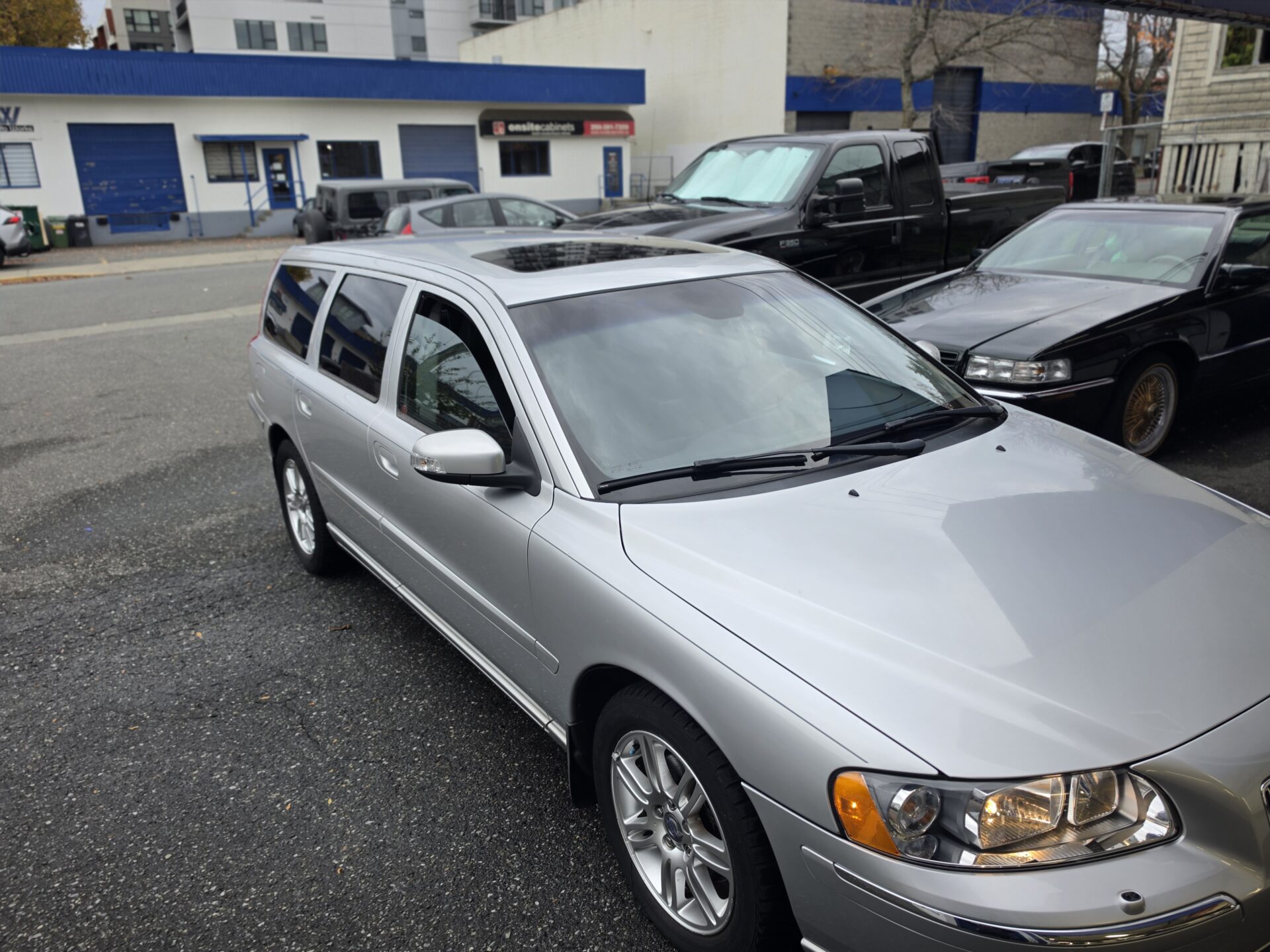
A professional car detail from Signature Detailing can meaningfully improve how your vehicle looks and feels, but it isn’t a reset button. It won’t erase every stain, remove every odour, or return a vehicle to the exact condition it left the factory in. Knowing what detailing can realistically address — and what it can’t — makes it much easier to book the right service and judge the results fairly once it’s done.
Detailing goes beyond a regular wash. It can include deep cleaning, polishing, paint decontamination, and surface protection applied to both the interior and exterior. But the specific scope of any single appointment depends on your vehicle’s condition, its materials, how it’s used day to day, and which service you book. Two vehicles of the same make and year can need very different things.
What a Full Car Detail Typically Involves
On the exterior, professional detailing work includes a proper hand wash, detailed cleaning of wheels, door jambs, wheel wells, and exterior glass, alongside the removal of bonded surface contaminants such as tree sap, bugs, iron deposits, and tar. Depending on the vehicle and service package selected, a protective SiO2 sealant or wax is applied afterward to preserve the clean finish.
On the interior, detailing involves thorough vacuuming and cleaning of all accessible surfaces, carpet and upholstery shampooing, hot water steam extraction where appropriate, and specialized leather cleaning and conditioning for vehicles with leather seating. Each step addresses a different kind of wear — dust and debris in vents and crevices, ground-in dirt in carpet fibres, and oils or residue on leather seating.
Why Execution and Sequence Matter
The order of these steps is critical to the final outcome. Exterior work is typically completed before interior work begins, ensuring that any residue, dust, or product overspray from washing and decontamination does not settle on freshly cleaned interior surfaces.
Furthermore, products suited to painted surfaces, chrome, and trim differ significantly from those designed for carpet fibres or leather. Using material-specific formulas — rather than a single all-purpose cleaner — is part of what separates a thorough Signature Detailing service from a quick surface pass.
Why Detailing Results Vary From Vehicle to Vehicle
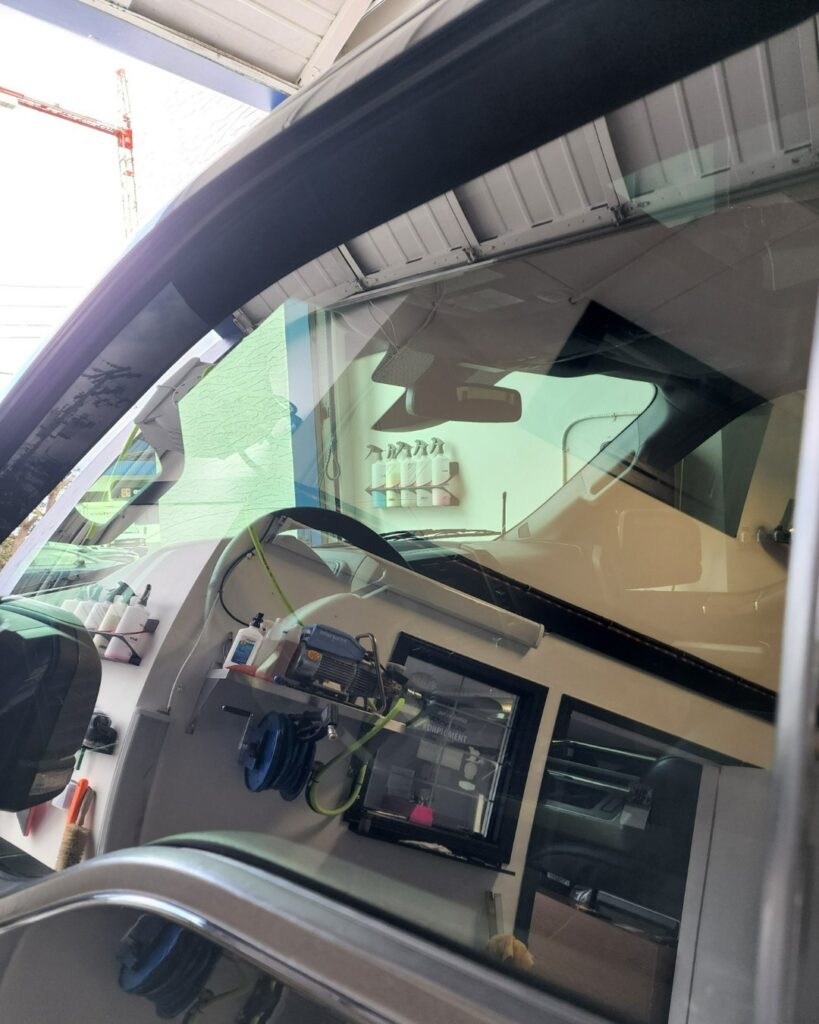
The single biggest factor in how much a detail improves your vehicle is the baseline condition it starts from. A car that is driven daily, parked outside, and hasn’t had much attention in a year will look and feel dramatically different afterward compared to a car that is washed weekly and only needs a deeper refresh.
Interior and exterior materials matter as well:
- Fabric & Carpets: A carpet with years of accumulated dirt worked deep into the fibres responds differently than one that is simply dusty.
- Upholstery & Leather: Cloth seats respond differently to shampooing than leather does to conditioning treatments.
- Vehicle Usage: A vehicle that regularly carries kids, pets, or work equipment accumulates a different type of wear than a commuter car used mainly for short daily drives.
This variability is why proper detailing depends on your specific vehicle rather than a one-size-fits-all checklist. What makes sense for a lightly used weekend car isn’t necessarily what makes sense for a daily driver that regularly sees gravel roads or beach parking around Oak Bay.
What Professional Detailing Can Realistically Improve
Within the limits of a vehicle’s actual condition, professional detailing delivers noticeable improvements:
- Helps improve the overall visual appearance and hygiene of interior surfaces.
- Preserves upholstery and leather through tailored cleaning and conditioning.
- Addresses everyday buildup — dust, grime, light staining, and surface contamination — that accumulates faster than regular washing or vacuuming can handle.
For most vehicles that haven’t had recent attention, Signature Detailing brings out a clear difference: cleaner air vents, fresher carpets, properly decontaminated exterior paint, and streak-free glass. For vehicles already in good condition, detailing serves to maintain that high baseline rather than transform it completely.
What Detailing Isn’t Designed to Fix
Setting clear expectations upfront ensures you know what to expect before walking into the shop:
- Paint Defects: Standard detailing is not designed to remove deep scratches or swirl marks. Eliminating these flaws requires specialized paint correction, which is a separate process from a standard exterior detail.
- Deeply Set Interior Damage: Not every stain, odour, or surface imperfection can be fully removed. A recent spill responds very differently than an old spill left to set into carpet fibres for weeks.
- Embedded Odours & Leaks: Some odours, particularly those that have penetrated foam padding under upholstery, may improve significantly without being eliminated entirely. Detailing is also not a substitute for repairing root causes like HVAC mould or active moisture leaks.
- Factory “Like-New” Restorations: A detailed car will look and feel considerably better, but detailing does not return a heavily worn car to showroom condition, nor does it guarantee a higher resale value. Expect a cleaner, well-maintained vehicle, not a brand-new one.
Realistic Expectations Matrix by Area
| Vehicle Area | What Detailing Can Typically Help With | What It May Not Resolve |
| Exterior Paint | Surface contamination, light grime, dullness from lack of washing | Deep scratches, heavy swirl marks, paint chips (requires paint correction) |
| Carpet & Upholstery | Surface dirt, light staining, general freshness | Deeply set or old stains, structural fabric wear |
| Leather Seating | Surface dirt removal, conditioning to reduce drying | Existing deep cracks, severe sun-faded discolouration |
| Interior Odour | General freshness after thorough deep cleaning | Persistent sources like HVAC mould or active moisture leaks |
| Glass & Exterior Trim | Built-up grime, smearing, fingerprints | Permanent glass etching or long-term UV damage to plastic trim |
How to Get the Most Out of Your Detailing Appointment
1. Communicate Specific Concerns Early
Mentioning a particular stain, an odour you’ve noticed, or a section of interior trim that bothers you gives the technician concrete targets to focus on, rather than relying on a general pass.
2. Share Your Vehicle’s Usage History
A car that has carried pets for years or one that frequently travels in dusty conditions benefits from a tailored approach. Sharing details about daily use helps the team adapt the service to your needs.
3. Coordinate Schedule and Access
A vehicle requiring heavy interior work or deeper contamination removal naturally takes more time to process. Being clear about your schedule and the car’s true condition allows for realistic scheduling rather than relying on standard time estimates.
Local Environmental Factors in Victoria & Oak Bay
Local Pacific Northwest weather impacts how buildup accumulates on your vehicle throughout the year:
- Wetter Months: Bring increased road grime, salt residue along coastal routes, and mud tracked in on shoes and pet paws — affecting carpets and door sills first.
- Drier Summer Months: Introduce higher levels of dust, pollen, and UV exposure that accelerate fading and drying on dashboards and unprotected plastic trims.
Detailing doesn’t always need to follow a rigid calendar; instead, your service should adapt to the environmental factors your car faces. Mentioning seasonal usage when booking helps the Signature Detailing team focus on the specific contaminants currently affecting your vehicle.
Service Options & Long-Term Protection
Deciding How and Where to Have It Done
Once you determine your goals, consider whether in-shop or mobile service fits best. Equipment setups, specialized lighting, and environmental control vary significantly between locations. Learn more about these differences in our article on mobile vs in-shop detailing.
Upgrading to Long-Term Surface Protection
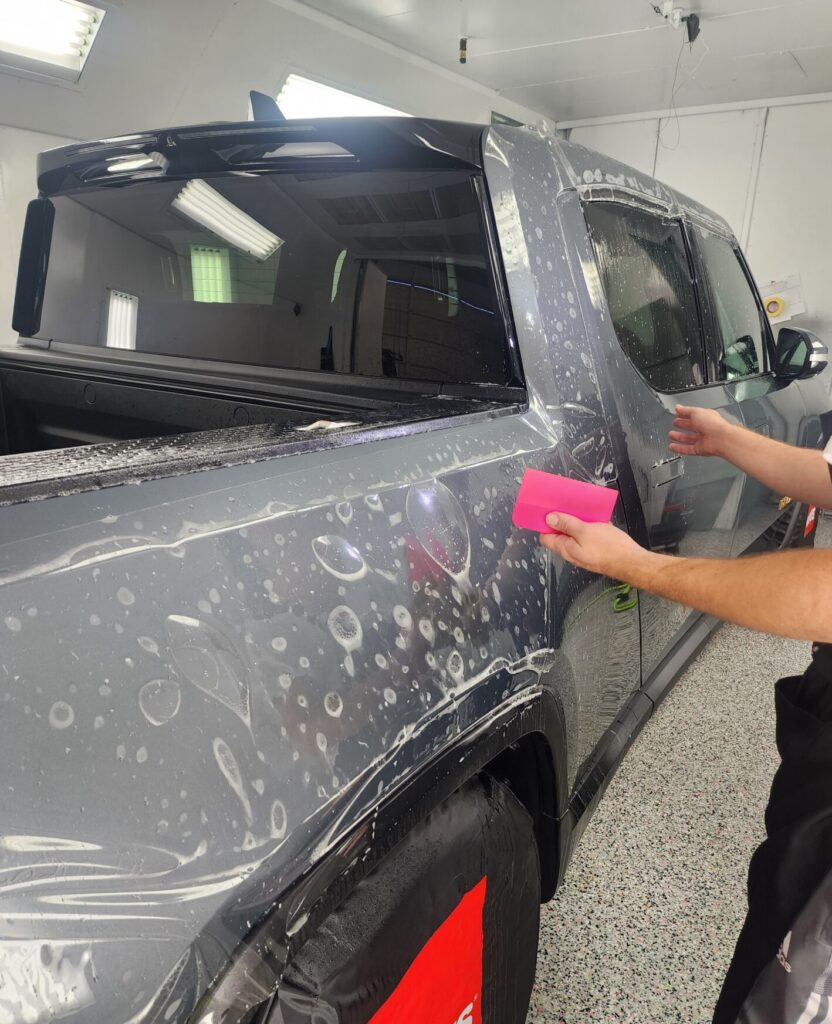
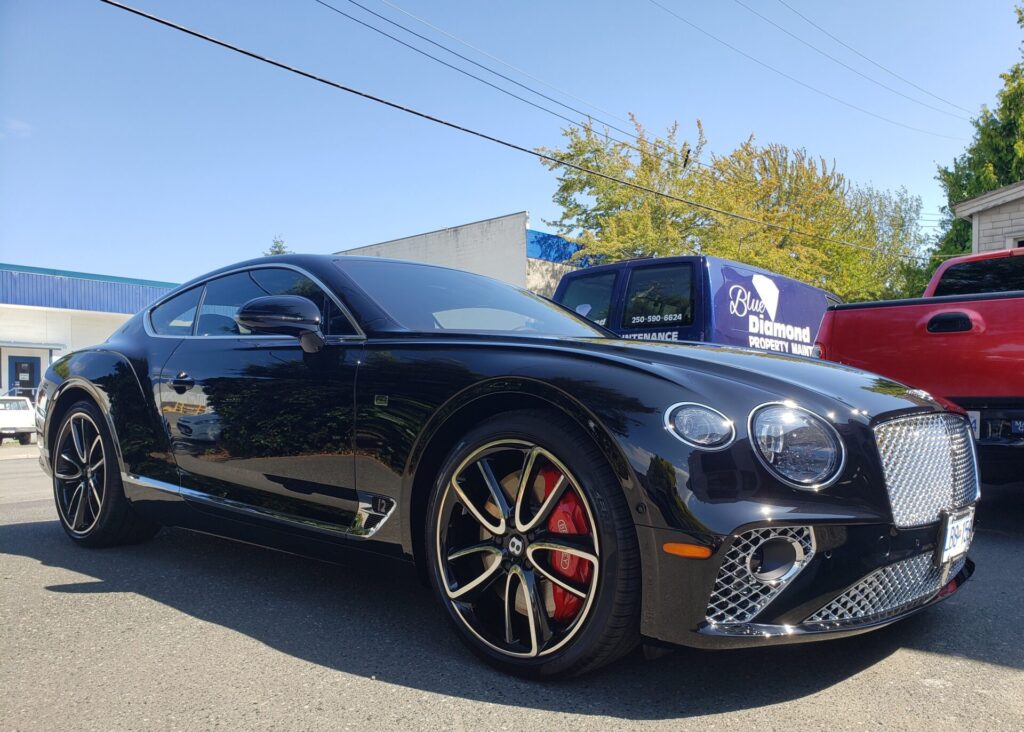
If your goal extends beyond clean paint to long-term gloss, chemical resistance, and UV shielding, consider pairing your service with a professional coating. Beyond surface cleaning, a dedicated protective barrier helps lock in clarity and simplifies ongoing vehicle maintenance over the long run.
Maintaining Your Results Longer
Detailing resets your vehicle to a fresh baseline, but keeping it that way depends heavily on your post-detail habits—such as washing frequency, parking conditions, and daily driving patterns. Establishing a realistic care schedule tailored to your vehicle’s usage ensures your finish stays protected and looking its best between professional visits.
Book Your Detail with Signature Detailing
The most practical next step in deciding if detailing is right for you is a direct evaluation of your vehicle. What detailing can achieve depends on your car’s specific condition, its material composition, and your overall goals.
Signature Detailing provides tailored detailing services and ceramic coating protection for vehicle owners across Victoria, Saanich and Oak Bay. For an honest, straightforward assessment of what a professional detail can do for your vehicle, contact Signature Detailing at 250-590-9644 or visit our contact page to schedule a consultation.
Frequently Asked Questions
Will detailing remove all stains and odours from my interior?
Not always. Results depend on how long the stain or odour has been present and its root source. Many stains and smells will improve significantly, but deep-set issues may not be completely eliminated.
Does detailing fix scratches or swirl marks in the paint?
No. Standard detailing does not eliminate deep scratches or paint swirl marks. Removing those defects requires dedicated paint correction, which is a separate specialized procedure.
Will my car look brand new after a detail?
Detailing delivers a major improvement in cleanliness and visual clarity, but it cannot restore aged materials or worn finishes to factory-new condition.
Does the same detailing process work for every vehicle?
No. The proper scope depends directly on the vehicle’s condition, interior materials, and usage patterns. Two similar cars often require completely different approaches.
Does detailing include exterior paint protection?
Yes. Depending on the service level chosen, a protective SiO2 sealant or wax is applied as part of the exterior finishing steps.
How do I get the best results from my detailing service?
Providing clear information about your vehicle’s specific problem areas, history, and daily use allows technicians to focus their efforts where they will make the biggest difference.