There is no single detailing interval that fits every vehicle. How often a vehicle needs professional detailing depends on how it is used, where it is stored, how much interior wear it accumulates, and whether it has a protective treatment such as ceramic coating.
A garage-kept weekend vehicle and a daily commuter parked outdoors have very different maintenance needs, even if they are the same age. Instead of relying on a fixed number of months, it is more useful to base detailing frequency on the vehicle’s actual condition.
Why Usage Is the Starting Point
Usage is one of the biggest factors affecting detailing frequency. A vehicle driven every day generally accumulates road grime, brake dust, insects, and environmental contamination faster than one driven occasionally.
Interior wear follows a similar pattern. More time in the vehicle usually means greater exposure to dust, spills, food, and general wear on upholstery and trim.
Mileage and Exterior Exposure
Higher mileage often means greater exposure to tar, insect residue, industrial fallout, winter road treatments, and other contaminants.
Vehicles driven frequently on highways or through construction areas may need more regular attention to prevent contamination from remaining on the paint for extended periods.
Garage vs. Outdoor Parking
Garage-kept vehicles receive less direct exposure to sunlight, precipitation, tree sap, bird droppings, and airborne debris. This generally slows the accumulation of exterior contamination.
Vehicles parked outdoors face more frequent weather changes and environmental exposure. As a result, their paint and exterior surfaces may need attention sooner.
Interior Use and Passenger Load
Family vehicles, work vehicles, and cars used for frequent passenger trips tend to accumulate interior wear faster than lightly used vehicles.
Interior condition should be evaluated separately from exterior condition. A vehicle may look clean outside while still needing professional interior cleaning because of spills, odors, pet hair, dust, or frequent passenger use.
Routine Washing vs. Professional Detailing
Regular washing removes surface dirt, but it does not cover everything included in professional detailing. Professional detailing may include deeper interior cleaning, paint decontamination, and attention to areas that a routine wash can miss.
Signature Detailing’s current guidance recommends professional detailing approximately two to four times per year, with routine washing between appointments. The appropriate frequency may be higher or lower depending on use, storage, and vehicle condition.
Protective Coatings Change the Calculation
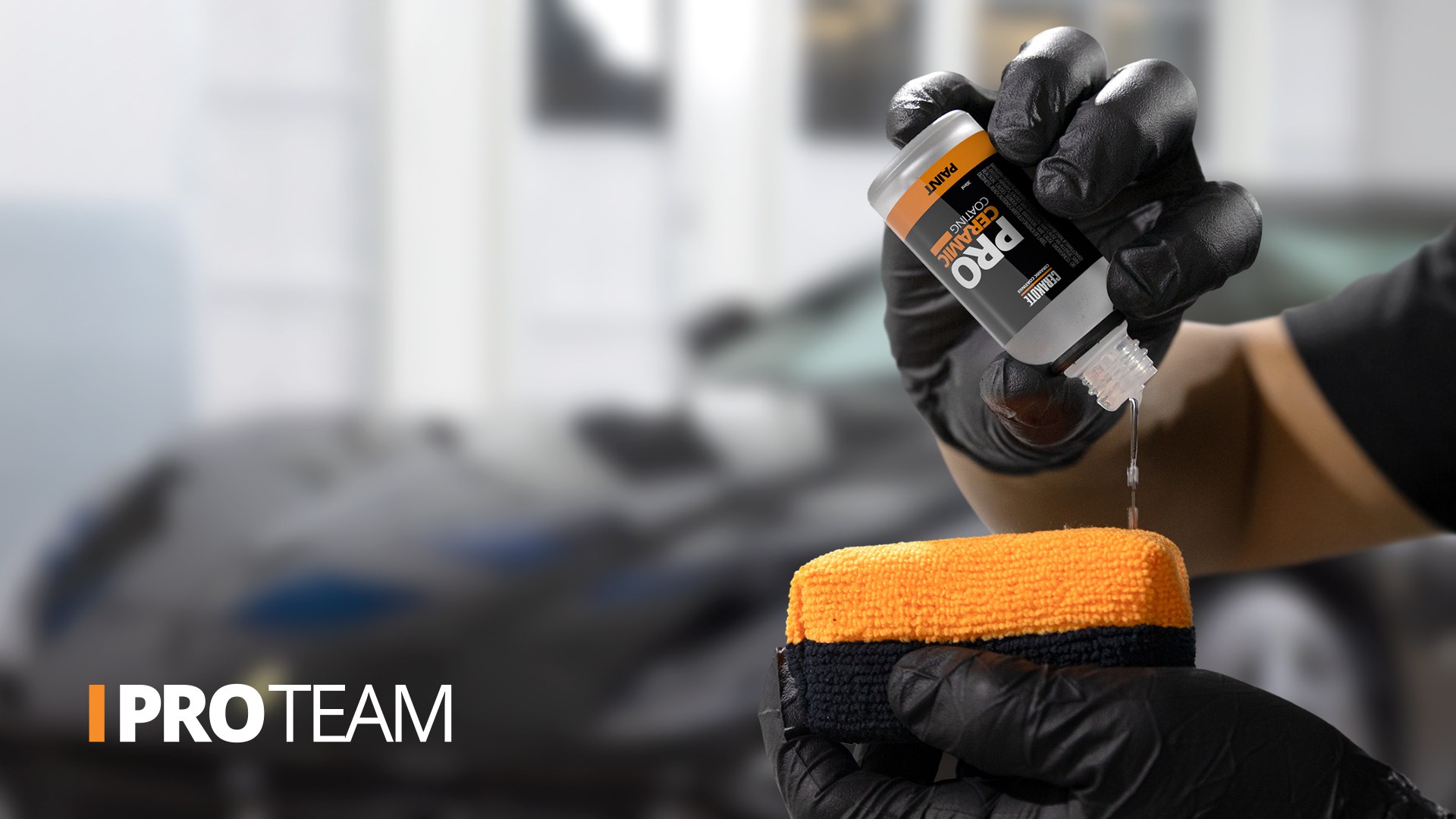
Vehicles with a ceramic coating or another protective treatment may require less frequent intensive detailing because protected surfaces are generally easier to maintain.
Protection does not eliminate the need for washing or inspections. Contaminants should still be removed regularly, and the surface should be maintained according to the installer’s recommendations.
Signature Detailing’s Signature Exterior Detail includes a hydrophobic SiO₂ sealant with an expected protection period of approximately three to six months. Actual durability may vary depending on exposure, washing practices, and vehicle use.
Paint Condition as a Signal
Paint condition can help determine when professional attention is needed. Common signals include:
- Dull or uneven gloss
- Visible swirl marks
- Water spots that remain after washing
- Contamination that makes the paint feel rough
- Tar, sap, insect residue, or other bonded material
- Stains or oxidation that routine washing does not address
Depending on the condition, the appropriate service may include decontamination, polishing, or paint correction.
Owner Expectations Matter
Two owners with similar vehicles may reasonably choose different schedules. One may want the vehicle to maintain a consistently detailed appearance, while another may be comfortable with less frequent professional care.
Detailing frequency is therefore influenced by both the vehicle’s condition and the owner’s expectations.
Detailing Considerations by Vehicle Type
| Vehicle or Ownership Scenario | Detailing Consideration | Reason |
| Daily commuter | Monitor exterior contamination and interior wear regularly | Frequent use accelerates buildup |
| Luxury daily driver | Inspect paint and sensitive materials more often | Presentation and finish may be a higher priority |
| Garage-kept weekend vehicle | Less frequent exterior attention may be sufficient | Reduced weather and UV exposure |
| Outdoor-parked vehicle | More frequent exterior checks may be needed | Ongoing exposure to weather and contaminants |
| Ceramic-coated vehicle | Lighter maintenance between intensive details | Coating can make routine cleaning easier |
| Family vehicle | More frequent interior-focused care | Passenger and cargo use increase interior wear |
| Collector vehicle | Periodic inspection despite low mileage | Storage conditions can create separate maintenance concerns |
Luxury Vehicles
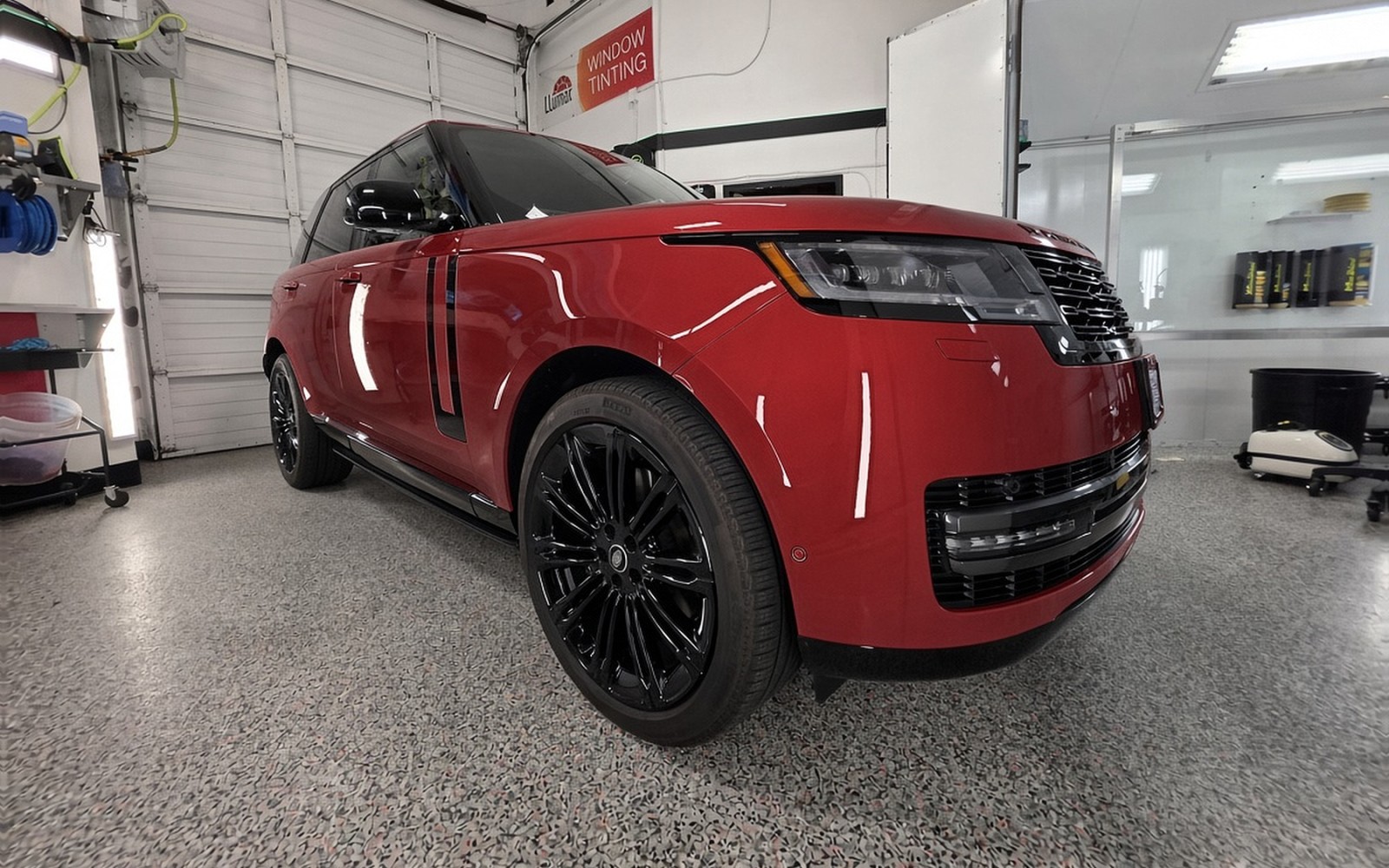
Luxury and high-end vehicles often warrant closer attention to paint, trim, leather, and other interior materials. Owners may also have higher expectations for finish and presentation.
Signature Detailing’s luxury vehicle detailing guide explains additional considerations for maintaining high-end vehicles.
Weekend, Family, and Collector Vehicles
Weekend vehicles are driven less but are not necessarily maintenance-free. Extended storage can introduce concerns involving dust, moisture, pests, tires, batteries, and interior materials.
Family vehicles often accumulate interior wear faster because of passenger and cargo use. Collector vehicles may still benefit from periodic professional inspection and maintenance even when their mileage remains low.
Calendar-Based vs. Condition-Based Maintenance
A calendar-based schedule is easy to plan, but it cannot fully account for differences in use and exposure.
Condition-based maintenance focuses on what is happening to the vehicle. It may produce a more appropriate schedule but requires owners to inspect the exterior and interior regularly.
Many owners use a hybrid approach: start with a general schedule and adjust it based on visible contamination, interior wear, storage conditions, and the vehicle’s protective treatments.
For guidance based on your vehicle’s specific condition, review Signature Detailing’s detailing services or call 250-590-9644. Signature Detailing is located at 3131 Delta St #4, Victoria, BC.
Frequently Asked Questions
How often should I get my car professionally detailed?
There is no universal interval. Signature Detailing generally recommends professional detailing two to four times per year, with additional washes between appointments. Usage, storage, interior wear, and protective treatments should guide the final schedule.
Does a garage-kept car need detailing as often as one parked outside?
Generally, no. Garage storage reduces exposure to sunlight, precipitation, and airborne contamination. Periodic cleaning and inspection are still important.
Does ceramic coating reduce how often I need to detail my car?
It may extend the time between intensive detailing services by making routine cleaning easier and reducing how readily contaminants bond to the surface. Regular maintenance is still necessary.
Do luxury vehicles need more frequent detailing?
Not automatically. Luxury vehicles may receive more frequent attention because of owner expectations, sensitive materials, or the importance placed on maintaining the finish.
Is calendar-based or condition-based detailing better?
Condition-based maintenance accounts for the vehicle’s actual use and exposure. Many owners combine it with a calendar schedule to make maintenance easier to plan.
What signs indicate that my vehicle needs professional detailing?
Persistent contamination, dullness, swirl marks, water spotting, rough paint, stains, odors, and visible interior wear are all useful indicators.
Does a low-mileage collector vehicle still need detailing?
Yes. Dust, moisture, storage conditions, and interior deterioration can affect a vehicle even when it is rarely driven.